Biophilic Hotel Design: When Nature Transforms the Hospitality Experience
A new approach to hotel design, blending well-being, emotion and performance.
Reading Time: 6 Minutes
In Brief
In This Article
At a time when travellers are looking for more than just a room, biophilic design is emerging as a true experience driver in hospitality. More than an aesthetic trend, it creates sensory, soothing and emotional spaces that enhance guests’ well-being as well as a property’s appeal.
Through architecture, natural light, living materials and immersive experiences, biophilic design is now redefining the codes of lifestyle hospitality.
1. Why Biophilic Hotel Design Is Becoming Essential
Rethinking Hospitality Around Well-Being
Biophilic design is based on a simple idea: reconnecting people with nature in living spaces. In hospitality, this approach directly influences how guests perceive their stay, their sense of relaxation and even customer loyalty.
Today, hotels are no longer just functional spaces. They are becoming emotional environments where every detail contributes to the overall guest experience.
Key elements of biophilic design in hospitality include:
- use of natural materials such as wood, stone or linen;
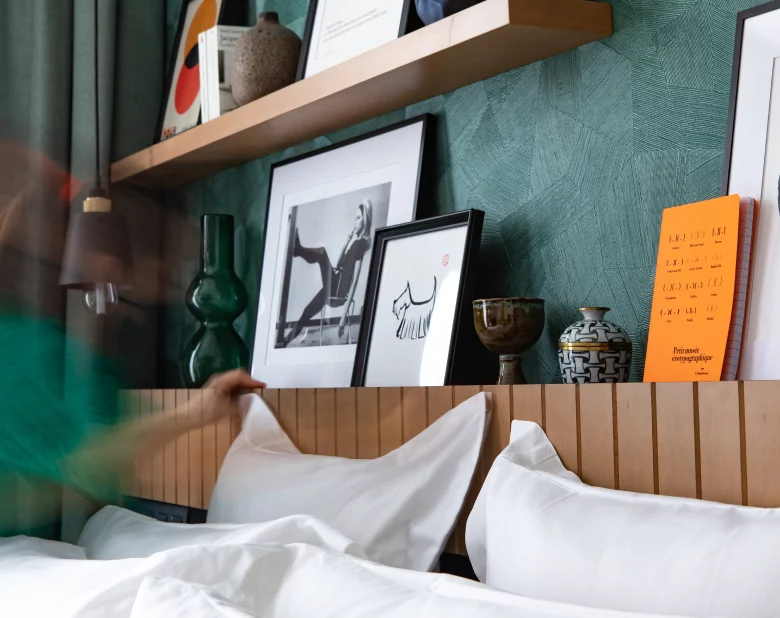
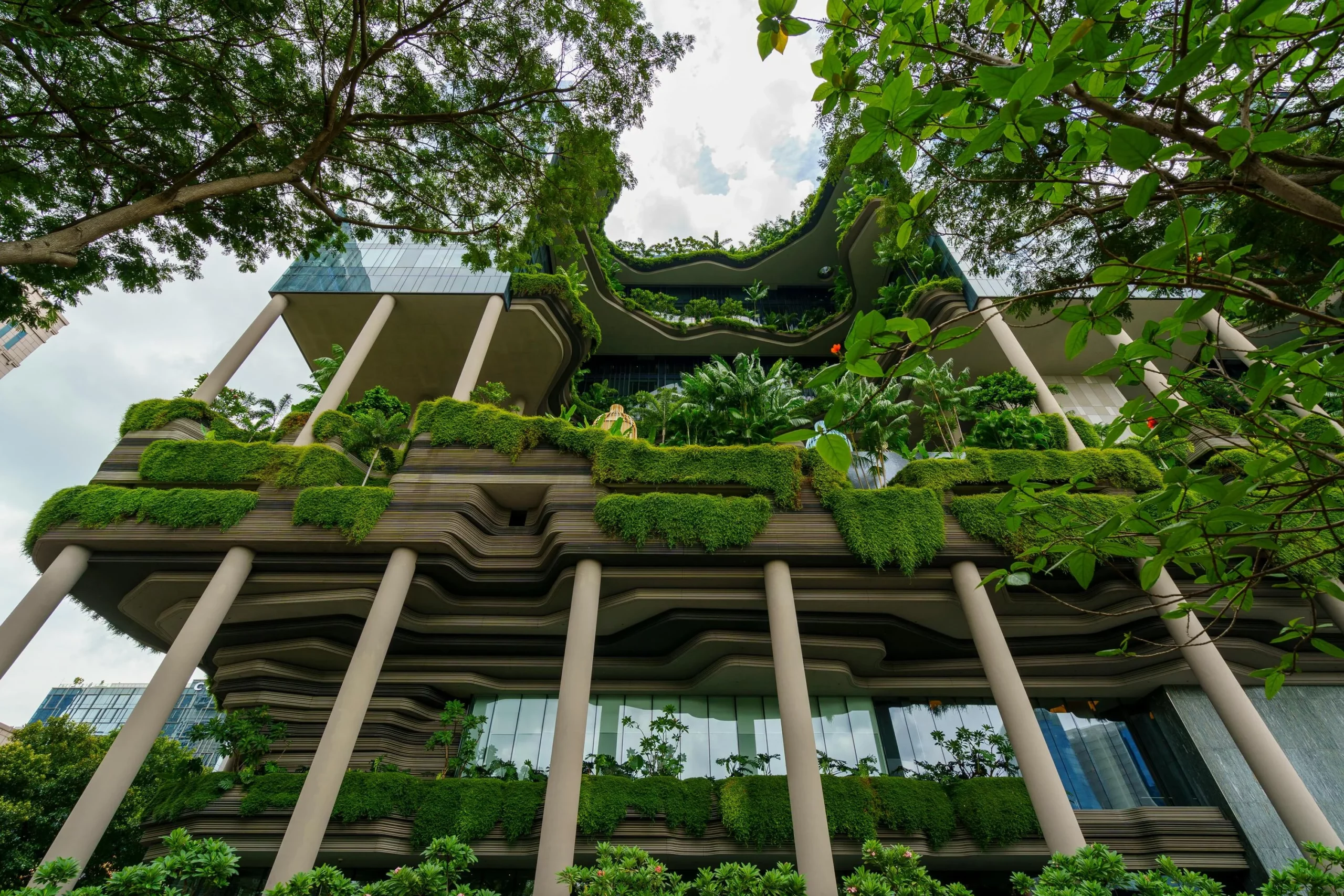
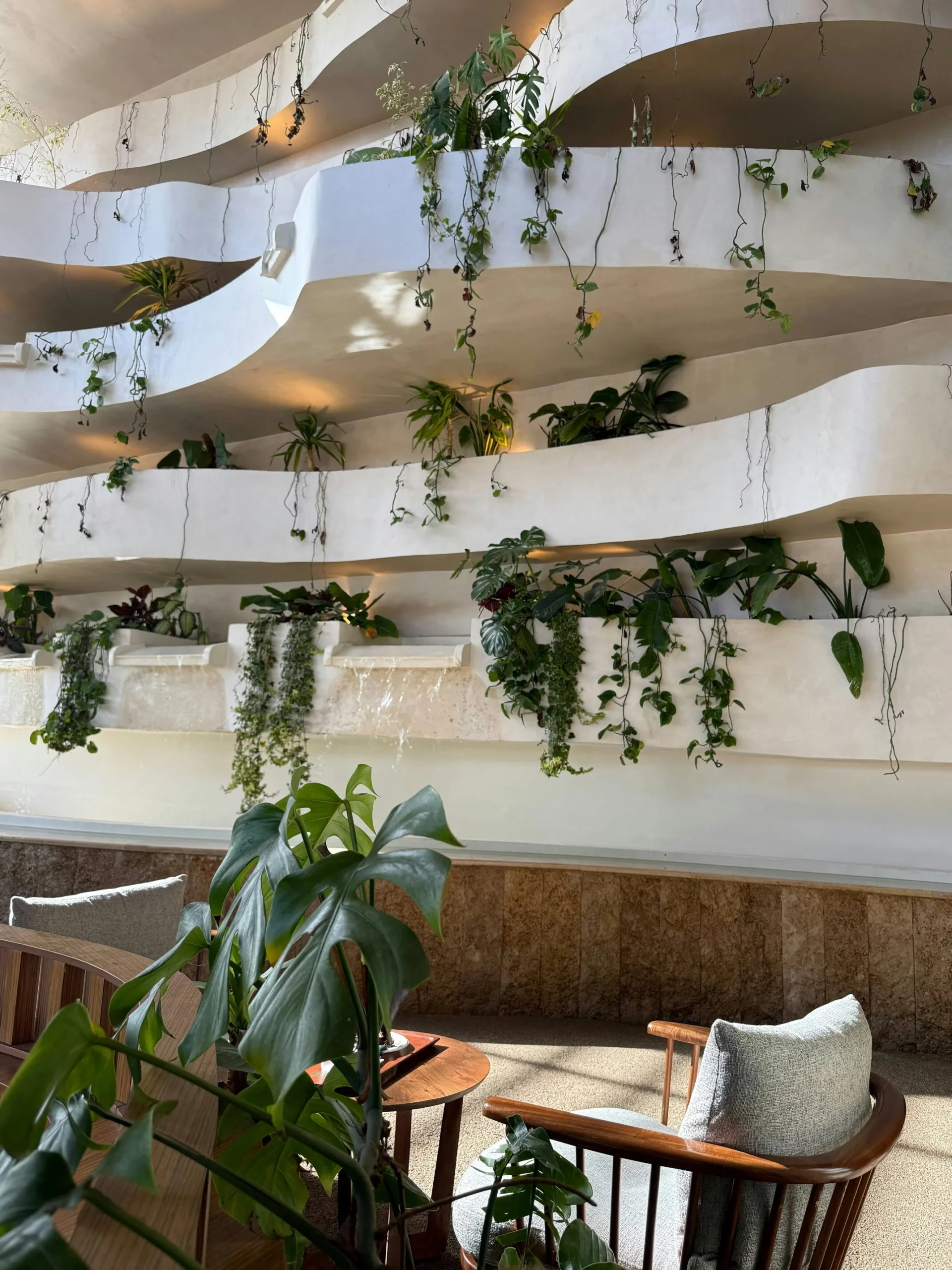
- integration of greenery and natural light;
- creation of multisensory atmospheres: scents, textures, acoustics and fluid circulation.
This approach particularly meets the expectations of lifestyle and urban travellers, who are often seeking disconnection and well-being, even during short stays.
Trend to Watch
According to several studies in the hospitality sector, properties that incorporate natural elements into their design benefit from higher guest satisfaction and a stay perceived as more enjoyable.
Want to know the latest trends, our upcoming projects, or private events?
2. Biophilic Design as a Sensory Experience Tool
When Design Shapes Emotions
In a highly competitive hotel market, biophilic design becomes a strategic tool for differentiation. It is no longer simply about “decorating with plants”, but about designing a coherent and immersive experience.
The experience begins the moment guests step into the space:
- light immediately influences mood;
- materials create a sense of emotional comfort;
- scents and soundscapes enhance how memorable the stay feels.
This sensory dimension is particularly powerful in hybrid spaces combining hospitality and dining.
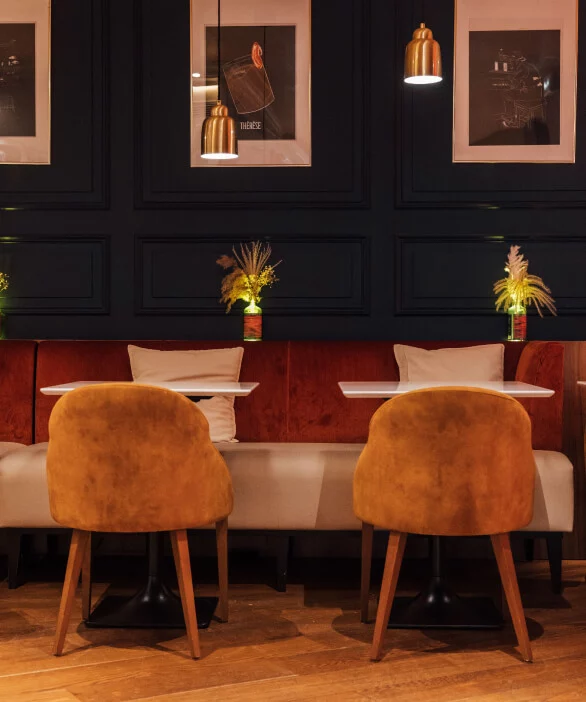
At Nectar, the gastronomic restaurant at Maison Mère, the experience is built precisely around this emotional immersion: soft lighting, storytelling around each dish, greenery, a jazz soundscape and a focus on textures all help create an enveloping and memorable atmosphere.
Design then becomes a silent language in service of hospitality.
3. Strategic Added Value for Architects and Tourism Professionals
Design as a Driver of Attractiveness
Biophilic hotel design now represents a major opportunity for architects, investors and hotel operators. Beyond aesthetics, it brings real perceived value and contributes to a property’s premium positioning.
This approach notably makes it possible to:
- increase the desirability of the place on social media;
- strengthen a hotel’s lifestyle identity;
- create more sustainable spaces aligned with new guest expectations.
For hotel groups and investors, biophilic design is also becoming a driver of commercial attractiveness. Travellers now place as much importance on a place’s atmosphere as they do on its location or amenities.
Moon Hospitality’s analysis
At Moon Hospitality, design is considered a tool for shaping the overall guest experience. The aim is not only to create beautiful spaces, but to design places capable of sparking lasting emotion through the senses, conviviality and local roots.
Le design biophilique n’est plus une simple tendance décorative : il devient un véritable outil de différenciation dans l’expérience hôtelière contemporaine. Pour les acteurs du tourisme comme pour les architectes, il ouvre la voie à une hospitalité plus sensorielle, émotionnelle et durable.