Hotel design and profitability: a winning combination in lifestyle hospitality
When aesthetics become a true driver of performance
Reading Time: 6 Minutes
In Brief
In This Article
In lifestyle hospitality, a space is no longer judged solely on its aesthetics. It must tell a story, meet travellers’ expectations, support hotel teams in their day-to-day work and align with the property’s business model.
In a particularly competitive hotel market, hotel design is becoming a genuine strategic tool. When considered from the very beginning of a project, it can strengthen a property’s identity, enhance the guest experience and contribute to its hotel performance.
The challenge is therefore no longer simply to create a beautiful hotel, but to design spaces that combine identity, functionality and profitability.
1. Hotel design as a driver of differentiation and revenue
Optimising every space to maximise its uses
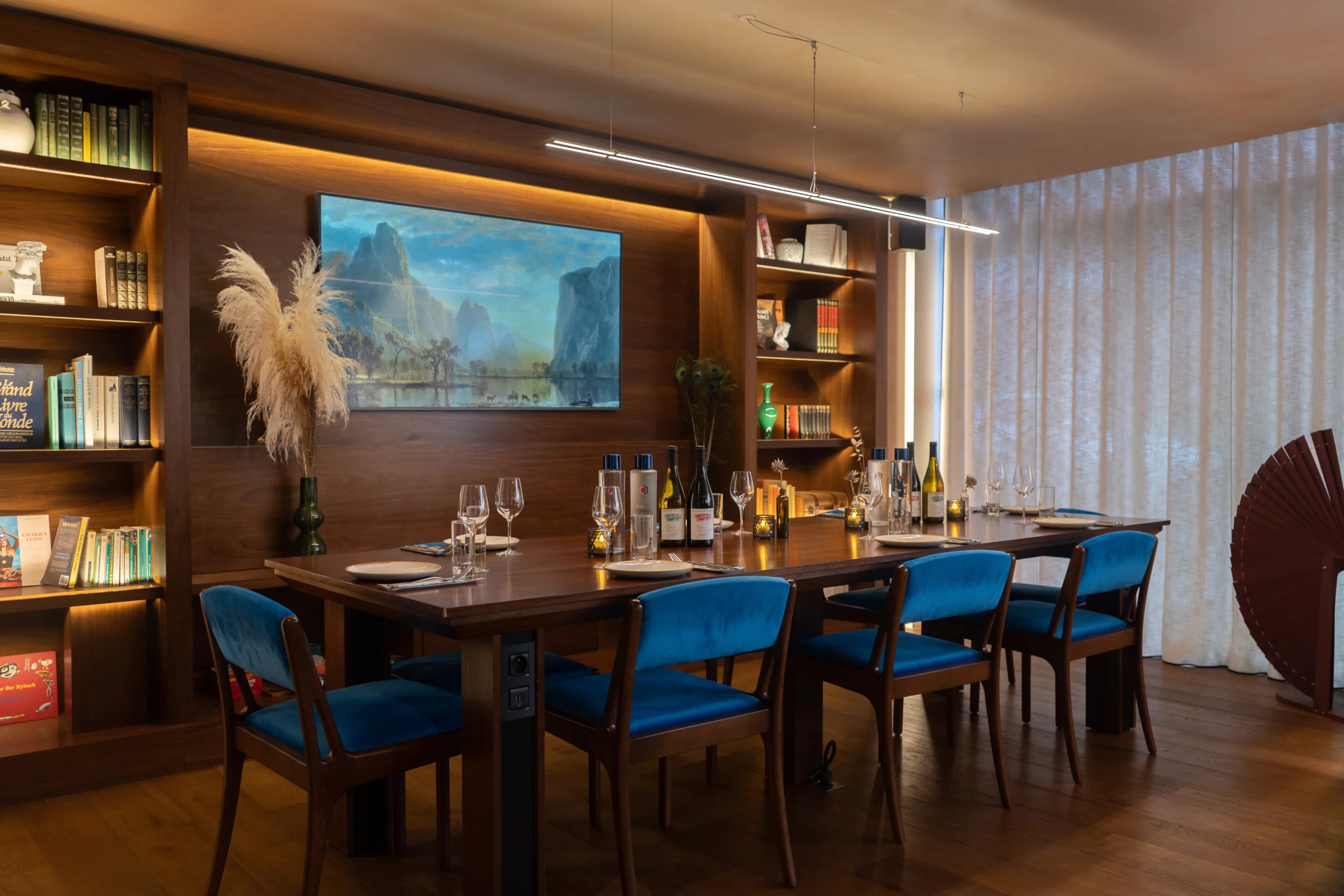
Le design hôtelier permet tout d’abord de construire une identité immédiatement reconnaissable. Architecture intérieure, matériaux, couleurs, éclairage ou mobilier participent à la perception du lieu et permettent à un établissement de se différencier autrement que par son prix ou sa localisation.
But hotel space planning must also respond to functional needs. In urban properties, where every square metre counts, the ability of a space to adapt throughout the day becomes particularly valuable.
Want to know the latest trends, our upcoming projects, or private events?
Moon Hospitality’s analysis
Example of Hôtel Joli Môme
A successful hotel space is not simply a photogenic one. It must be able to retain its identity while accommodating different uses. Considering modularity from the design stage helps create more dynamic spaces, while also ensuring greater consistency with a hotel’s economic and operational constraints.
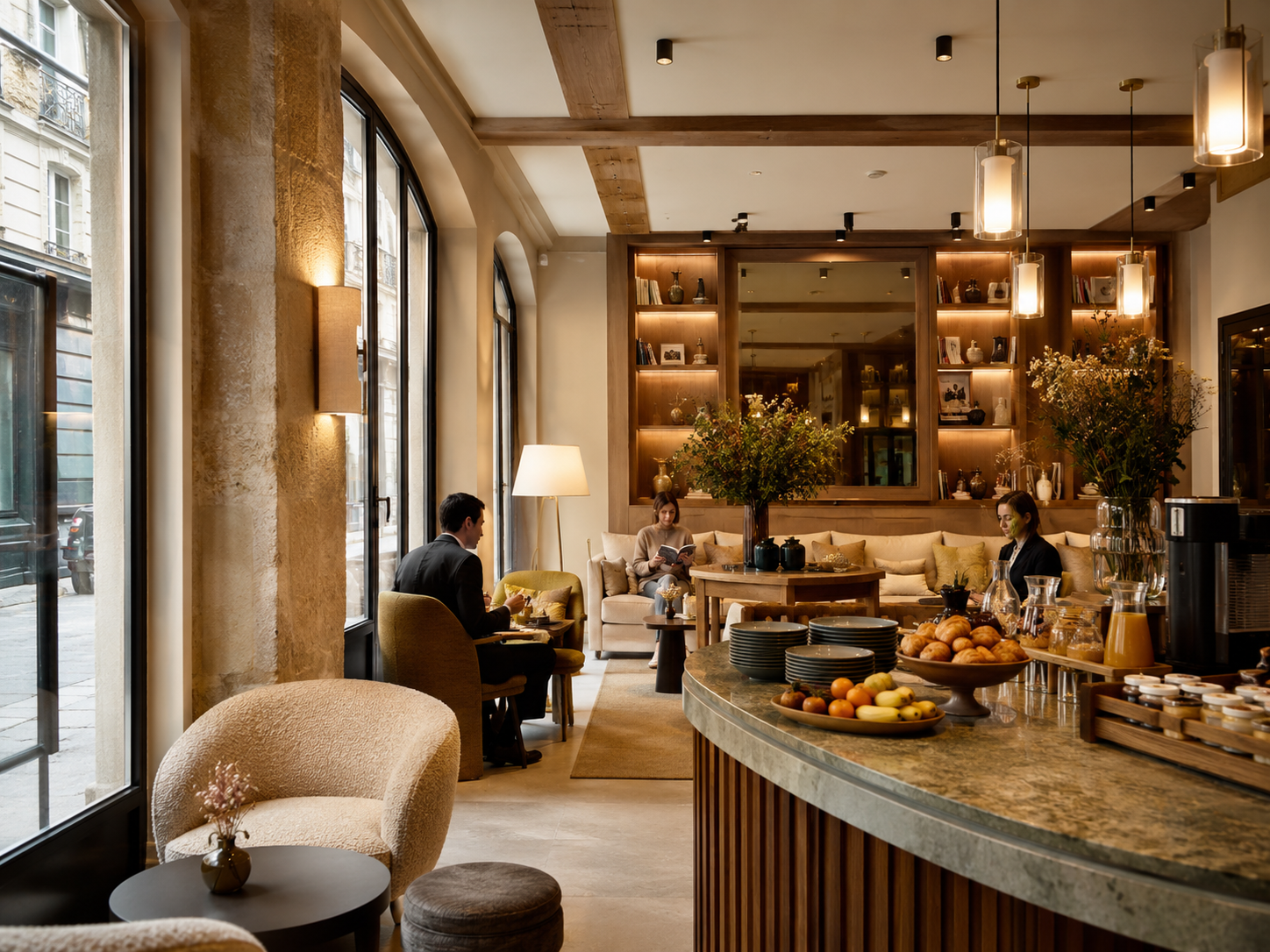
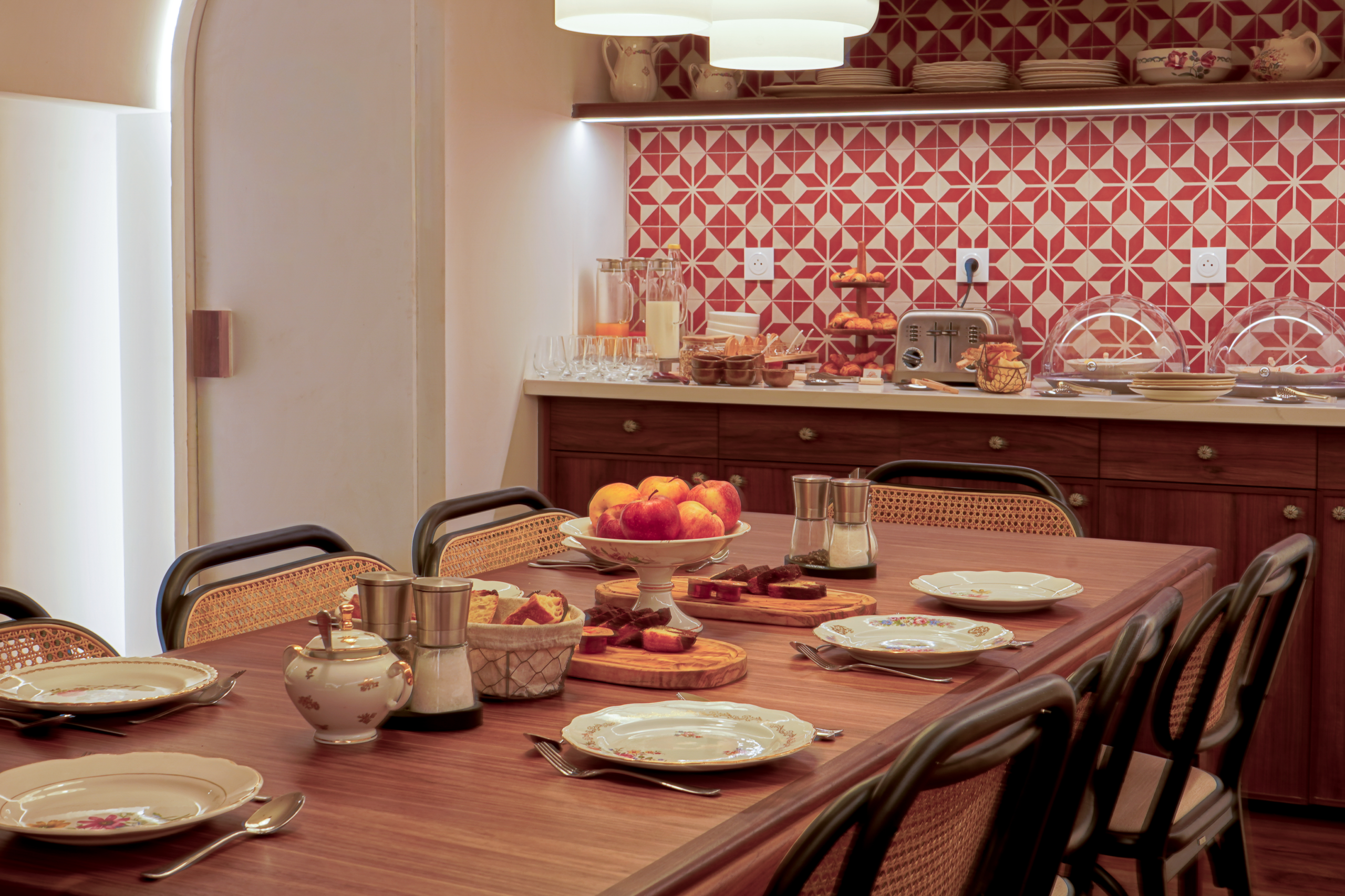
At Joli Môme, for example, the lounge was designed as a true living space. In the morning, it hosts breakfast for guests. In the afternoon, it becomes the setting for afternoon tea, before welcoming guests for a wine & cheese aperitif in the early evening. From time to time, the same space is also transformed to host creative workshops.
A single space can therefore accommodate several moments throughout the guest journey and serve multiple purposes, without requiring additional dedicated square metres.
This optimisation of hotel spaces both enriches the guest experience and adds greater value to every area of the property. Design is therefore no longer purely decorative: it directly influences how the hotel comes to life and operates throughout the day.
3. Hotel design and performance: creating beautiful, functional and profitable spaces
Designing the guest experience without overlooking operational constraints
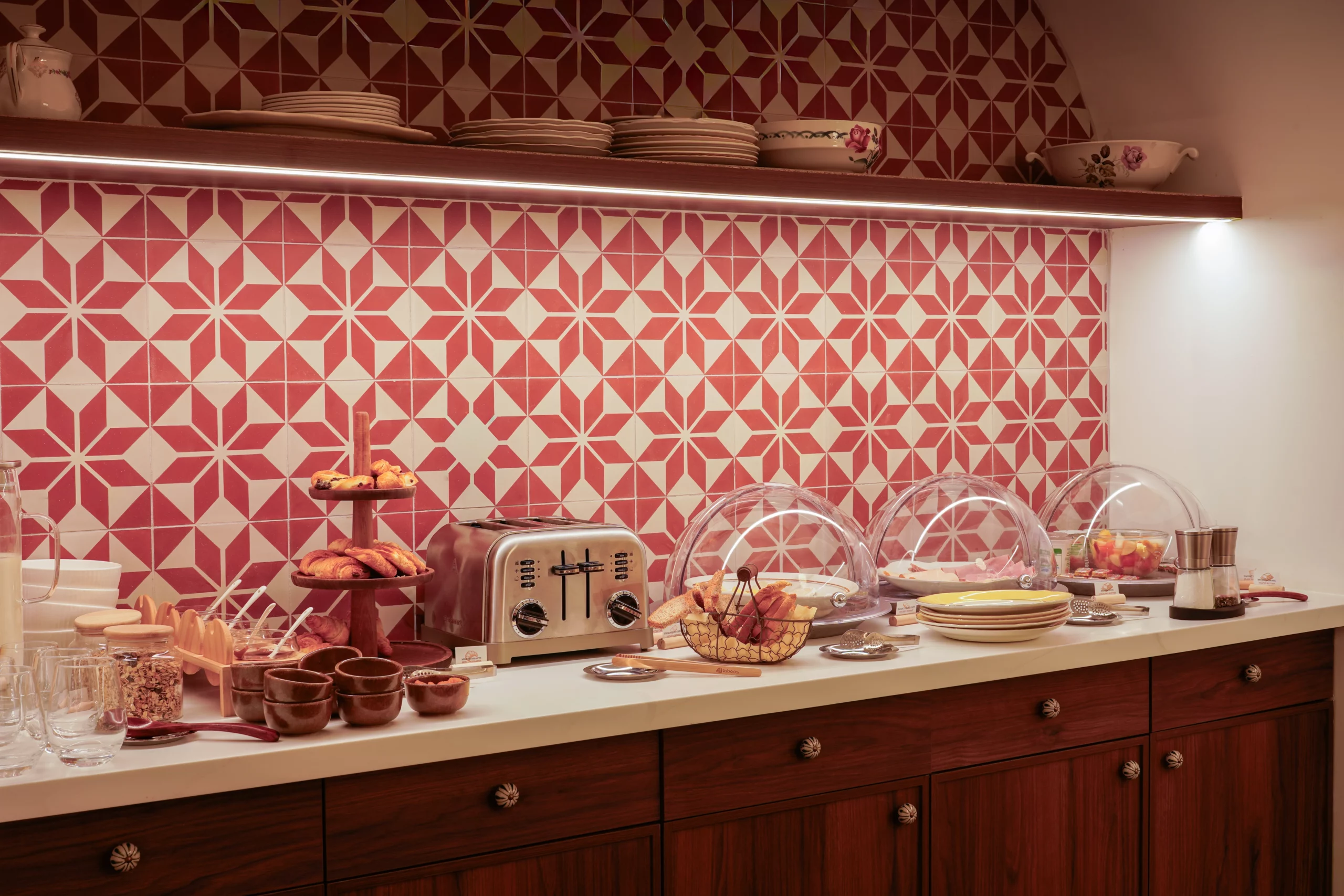
Effective hotel design must also take into account those who use the spaces every day: guests, but also hotel teams.
The choice of durable, easy-to-maintain materials, the flow between different spaces, storage solutions and the modularity of furniture can all have a direct impact on operational efficiency and maintenance costs.
Hotel profitability therefore does not depend solely on the number of rooms sold. It also relies on the ability to make intelligent use of the different spaces and to minimise the constraints associated with their day-to-day operation.
The return on investment in design can therefore be assessed through several indicators: changes in average daily rate, RevPAR, revenue generated by ancillary spaces, guest satisfaction, maintenance costs and operational efficiency.
At Moon Hospitality, this approach is integrated from the very first stages of a project. Concept, design, functionality and operations are not considered separately: together, they contribute to creating a coherent and high-performing hotel product.
4. When hotel design becomes a driver of value
Making design an investment that drives performance
In lifestyle hospitality, hotel design truly creates value when it successfully combines aesthetics, guest experience, functionality and profitability.
It is not necessarily about designing the most spectacular hotel, but about creating the most relevant space for its positioning, target guests, surroundings and business model.
Every square metre must serve a purpose: contributing to the property’s identity, enhancing the guest experience, supporting hotel teams or accommodating multiple uses throughout the day.
Moon Hospitality supports hotel owners and investors in the design and repositioning of their hotel assets, integrating these considerations from the earliest stages of the project, with the aim of creating properties that are both desirable for travellers and operationally high-performing.
FAQ – Hotel design and profitability
Moon Hospitality answers the questions investors are asking.
Why is hotel design important for a hotel’s profitability?
Hotel design can enhance a property’s perceived value, support its pricing strategy and improve the use of its spaces. When a property has a strong identity tailored to its target guests, it becomes more easily recognisable and distinctive. Design can also help create multiple uses within the same space, thereby generating additional revenue opportunities.
How can hotel design generate additional revenue?
A well-designed space can serve several functions throughout the same day. A lobby can accommodate breakfast, coworking or events, while a bar, restaurant or shop can attract external guests. The aim is to optimise the available space so that it contributes more effectively to both the guest experience and the hotel’s revenue.
How can the return on investment of hotel design be measured?
The ROI of hotel design can be measured by tracking changes in average daily rate, RevPAR, ancillary revenue, guest satisfaction and maintenance costs. A renovation or repositioning can also improve the perception of the property and its ability to maintain its rates. However, these indicators should be analysed alongside the hotel’s commercial, marketing and operational developments.
What defines the design of a lifestyle hotel in Paris?
The design of a lifestyle hotel in Paris should express a distinctive identity while remaining consistent with its neighbourhood, building and target guests. It is not simply about creating a photogenic setting, but about delivering a recognisable and memorable experience. This approach helps the hotel strengthen its positioning and stand out in a particularly competitive Parisian market.
How does Moon Hospitality combine design and performance?
Moon Hospitality integrates design into a broader approach combining positioning, brand identity, guest experience, business model and operations. Spaces are designed with their impact on guests, day-to-day functionality and economic potential in mind. This approach makes it possible to develop coherent, distinctive hotel concepts tailored to the performance objectives of each asset.