Emotional Hospitality: Why Human Connection Remains the True Luxury in Hotels
Human Connection at the Heart of Guest Experience and Hotel Performance.
Reading Time: 6 Minutes
In Brief
In This Article
As digitalisation and new technologies reshape the hospitality industry, the human element is becoming a key factor in differentiation. Beyond comfort and amenities, travellers are increasingly seeking authentic, personalised and memorable experiences.
Emotional hospitality is therefore becoming a strategic priority for hotels. By placing human connection at the heart of the guest experience, it helps strengthen guest loyalty, enhance each hotel's unique identity and support its financial performance. Discover how this approach can become a powerful driver of value creation for hoteliers and investors.
In This Article
-
- Emotional Hospitality: A New Definition of Luxury in Hotels
- Why Emotional Hospitality Is Becoming a Driver of Hotel Performance
- Technology and Emotional Hospitality: Finding the Right Balance
- Emotional Hospitality at the Heart of Moon Hospitality’s Vision
1. Emotional Hospitality: A New Definition of Luxury in Hotels
When Experience Takes Precedence Over Amenities

Luxury hospitality is no longer defined solely by high-end amenities. Travellers are increasingly seeking a human experience that is authentic and personalised. Emotional hospitality transforms a simple stay into a lasting memory, where true luxury lies in the emotions guests experience.
Attention to detail, attentive listening and the ability to anticipate guests’ needs are becoming essential factors of differentiation. Every interaction helps create a unique connection between a hotel and its guests. In an increasingly competitive hospitality industry, human connection has become a genuine source of added value.
Want to know the latest trends, our upcoming projects, or private events?
2. Why Emotional Hospitality Is Becoming a Driver of Hotel Performance
From Emotional Connection to Guest Loyalty
The emotional experience is not solely about building relationships: it also has an economic dimension.
A guest who feels recognised and valued may be more inclined to book another stay, recommend the hotel or develop a lasting relationship with the brand.
A study published in September 2025 in the International Journal of Tourism Research, based on a survey of 334 hotel guests, highlights the links between guest experience, perceived value, engagement and intention to return.
For hotel operators, the challenge is to turn guest satisfaction into long-term loyalty, rather than simply focusing on securing another booking.
This approach can support several objectives:
- Encourage repeat stays and direct bookings.
- Encourage recommendations and positive reviews.
- Enhance the hotel's perceived value.
- Strengthen the brand's reputation and positioning.
However, these outcomes are not automatic. They depend on the consistency of the guest experience, operational excellence and the ability of hotel teams to maintain high standards over time.
3. Technology and Emotional Hospitality: Finding the Right Balance
Technology as an Enabler, Not a Replacement

Digital check-in, CRM tools, automated messaging and artificial intelligence: digitalisation is profoundly transforming the hotel guest journey.
These solutions help streamline operations, better understand guest expectations and personalise certain services.
However, their effectiveness depends on how they are integrated into the overall guest experience.
A study published in January 2025 in the International Journal of Hospitality Management shows that the importance placed on human interaction varies depending on the stage of the guest journey and travellers' profiles. Human connection appears to be particularly important during the booking process.
The aim is therefore not to pit technology against hospitality, but to find the right balance between the two, allowing them to complement each other effectively.
By automating certain administrative or repetitive tasks, hotel teams can dedicate more time to listening to guests, providing personalised advice and building meaningful relationships.
To explore this topic further, read our article: Personalising the Hotel Stay: How Technology Is Redefining the Guest Experience.
4. Emotional Hospitality at the Heart of Moon Hospitality's Vision
Creating Places to Connect, Not Just Places to Stay
At Moon Hospitality, the guest experience is built around a vision of hospitality that celebrates each hotel's unique identity, its connection to the local community and meaningful human interactions.
This philosophy is reflected in two complementary concepts.
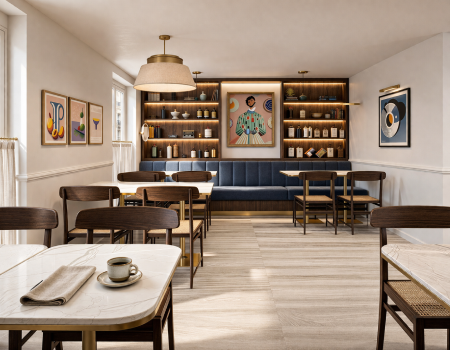
In Paris, Maison Mère goes beyond traditional accommodation by bringing together a hotel, restaurant, co-working space and cultural events, creating a vibrant meeting place that is open to the local community.
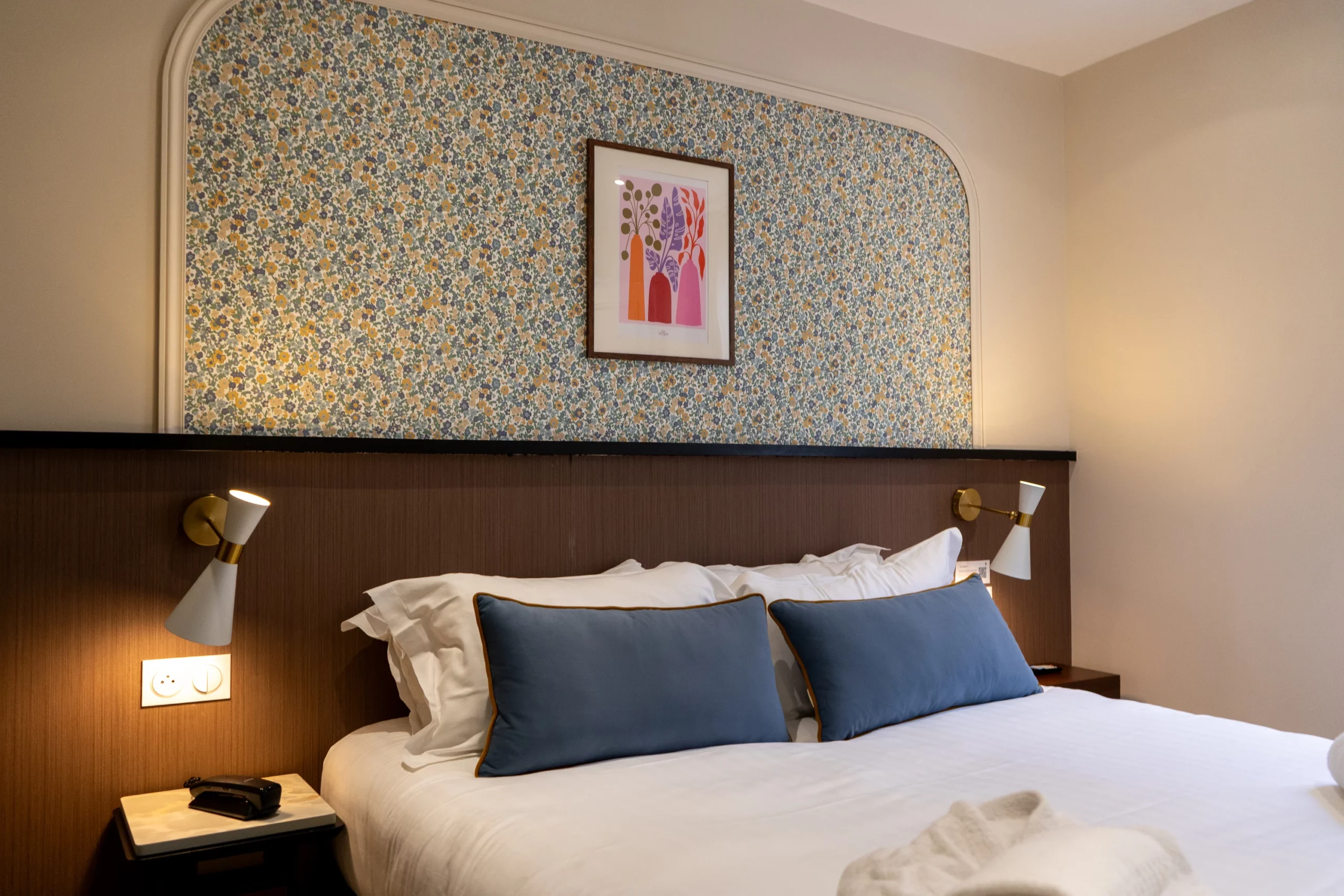
Joli Môme, an urban guesthouse located in the Batignolles district, offers a warm and welcoming atmosphere, particularly through shared moments such as afternoon refreshments and a wine and cheese aperitif.
These two hotels reflect a shared belief: hospitality is not simply about providing accommodation, but also about creating authentic experiences and building lasting connections with travellers.
FAQ – Hotel design and profitability
Moon Hospitality answers the questions investors are asking.
What Is Emotional Hospitality in the Hotel Industry?
Emotional hospitality is an approach to guest service that aims to create genuine connections with travellers, going beyond traditional hotel amenities. It is based on the quality of human interactions, attentive listening, empathy and personalised experiences. Its aim is to make guests feel genuinely welcomed and valued. This approach encompasses the entire guest journey, from booking to departure, and can help strengthen guests' emotional connection to a hotel.
Why Does Human Interaction Remain Essential in Hotels?
Human interaction allows hotels to respond to needs that automated solutions cannot always interpret with the same level of nuance. It helps staff better understand individual expectations, resolve unexpected situations and build relationships based on trust. In an environment where many services are becoming increasingly standardised, this ability to adapt represents a key factor of differentiation. It also helps give each hotel its own distinctive personality and makes certain stays particularly memorable.
What Impact Does Emotional Hospitality Have on Hotel Profitability?
Emotional hospitality can support hotel profitability by improving guest satisfaction, loyalty and the property's reputation. Satisfied guests may be more inclined to return, recommend the hotel or book directly. A distinctive guest experience can also enhance perceived value and support the hotel's pricing strategy. However, these benefits must be assessed using reliable performance indicators, as they also depend on factors such as location, demand and the overall quality of hotel management.
How Can Hotels Develop Emotional Hospitality Without Significantly Increasing Costs?
Developing emotional hospitality does not necessarily require significant investment. The priority is to improve existing interactions: personalised welcomes, better communication between departments, attentive listening to guest requests and thoughtful attention at key moments throughout the stay. Appropriate training and well-integrated digital tools can help hotel teams work more efficiently. The aim is to focus on thoughtful gestures that deliver genuine value to guests, rather than introducing additional costly services.
How Does Moon Hospitality Integrate Emotional Hospitality into Its Approach to Hotel Management?
Moon Hospitality embraces an approach to hospitality that combines brand identity, guest experience and operational performance. Through its hotel concept creation, development and management activities, the group aims to create distinctive properties that are deeply connected to their local surroundings and offer unique experiences. This vision is reflected in concepts such as Maison Mère and Joli Môme, where welcoming spaces and shared moments of conviviality play a central role. The ambition is to make human connection a lasting source of differentiation and value creation.